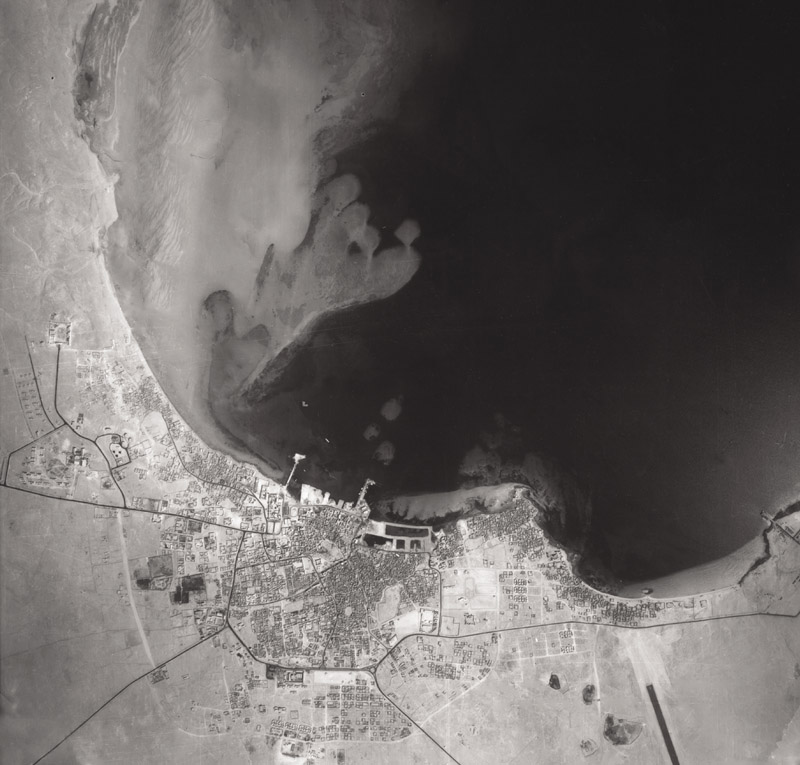
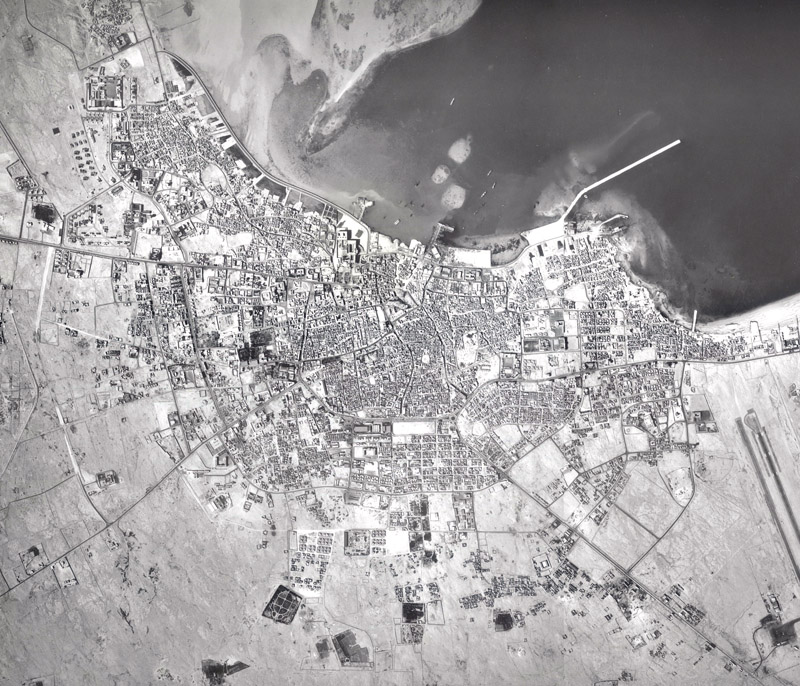
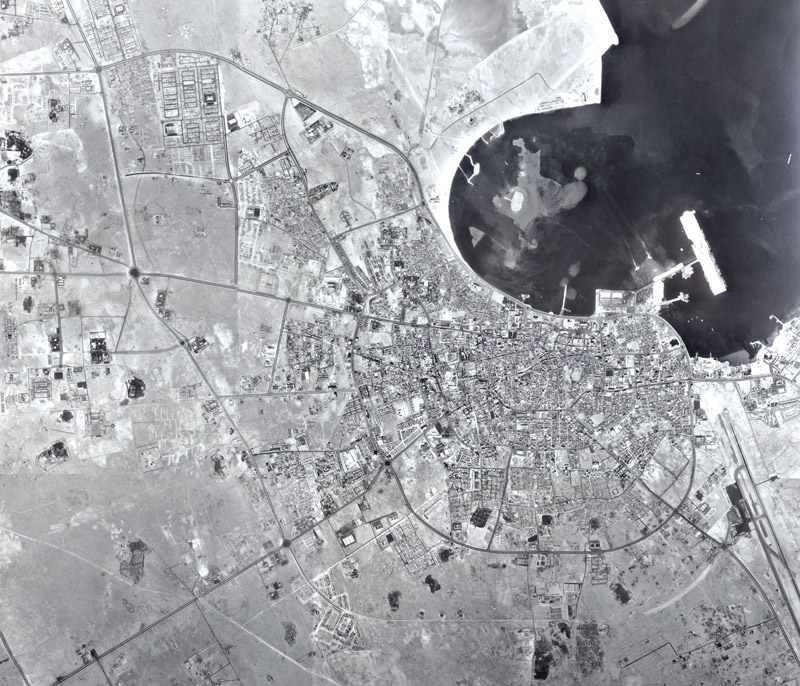
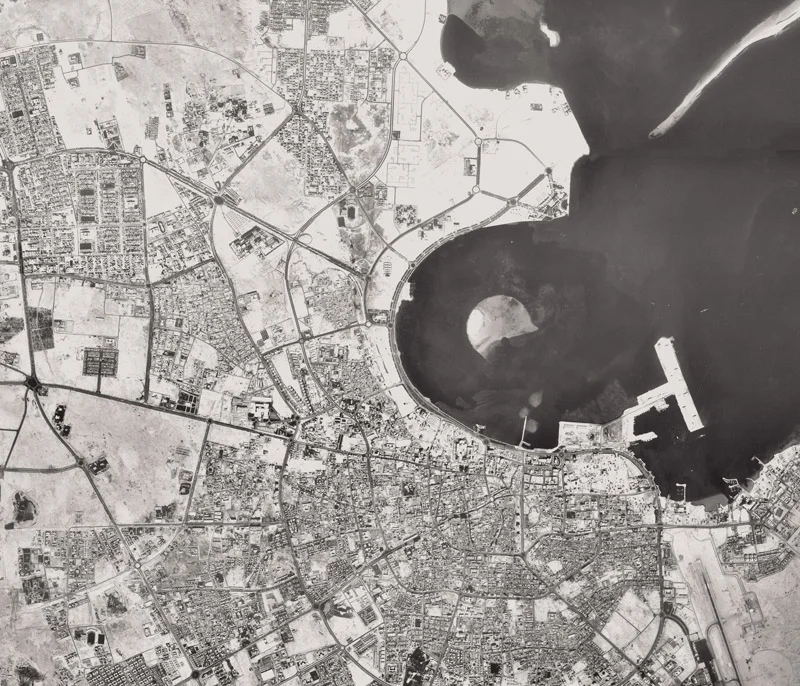
Bottom-Up Approaches in Governance & Dynamic Building Regulations in the Arab-Islamic Urban

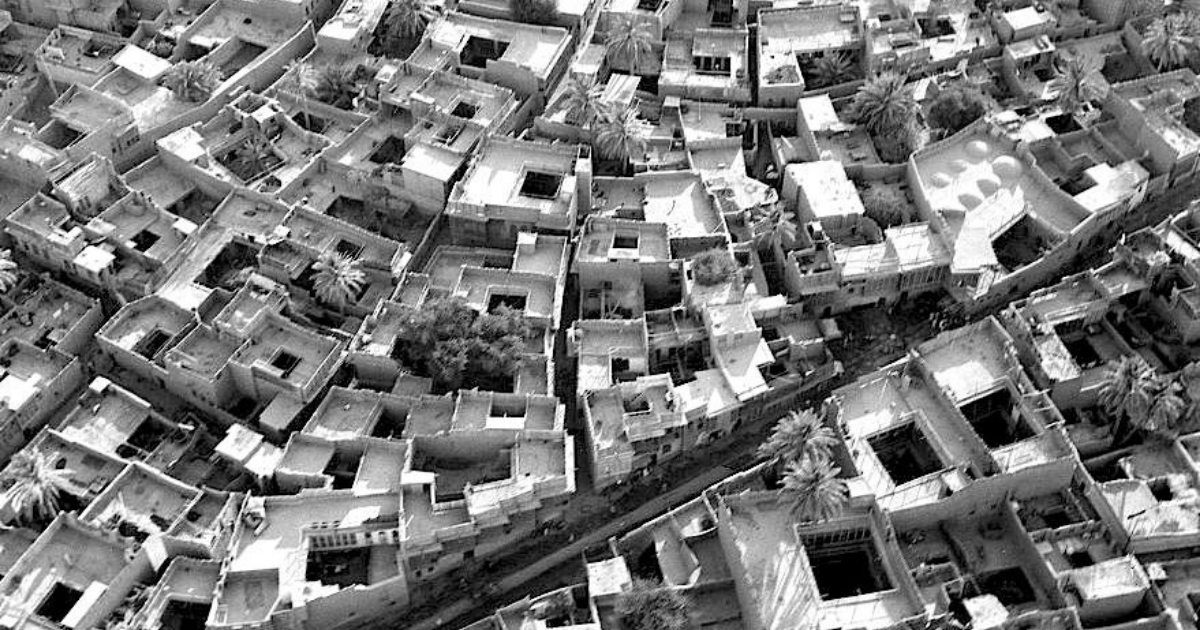
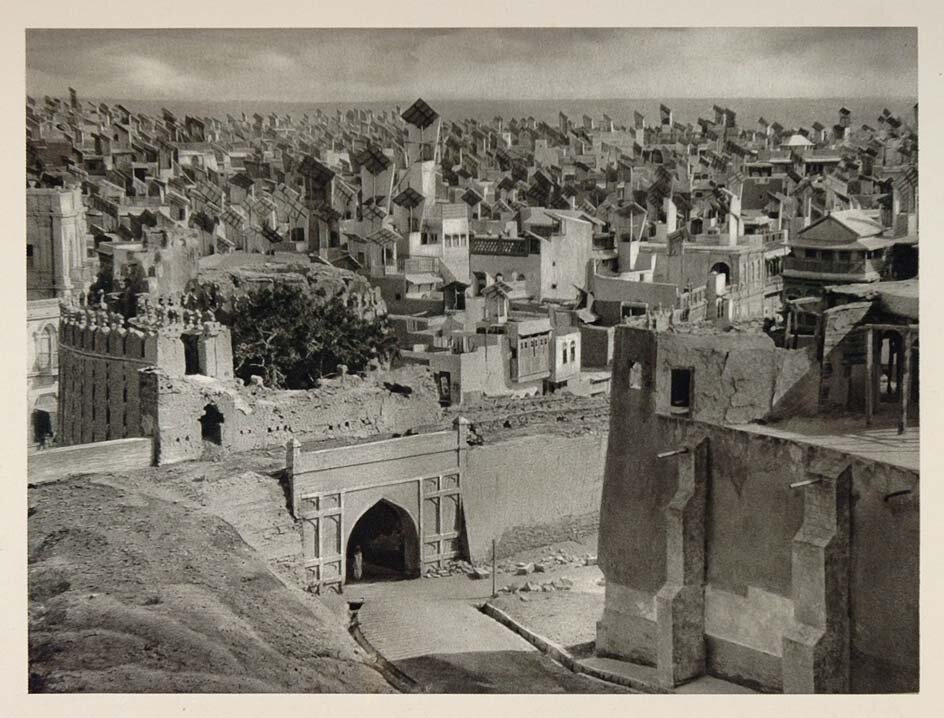
Aerial photograph of Baghdad Iraq. Taken between 1920-1934. (Granger Historical Picture Archive)

Aerial photograph of Baghdad Iraq. Taken between 1920-1934. (Granger Historical Picture Archive)

The concept of Islamic urbanism and architecture has been extensively talked about in academia and print media. It continues to be a point of fascination to many: the geometric spaces and patterns, the meticulous ornamentations which decorate the buildings, the grand mosques, and luxurious castles, but what is often neglected are the principles of which Islamic urbanism is built upon: sharia, and the traditional bottom-up approach to urban governance in the Arab-Islamic urban context. Researchers on the old traditional cities of the Middle East and North Africa note that they are organic and unplanned, while this is certainly true, the framework of urban governance in Islam was very conventionally different from the planning oriented approach in the West, which came to dominate the field of city planning and urban design. When talking about traditional urban spaces across the Islamic world, the same orientalist tropes are often regurgitated without much critical thinking: they are chaotic and hectic because of their organic and unplanned nature, however, when looking at context clues in the Islamic urban and we begin to understand that the opposite is very much true.

Oleg Grabar opens his article on the Growth and Culture of Urban Islam with an inscription on a mosque from the eleventh century:

This mosque was built by al-Husayn ibn ‘Abdallah ibn Muhammad ibn Silsila, the cloth merchant, in his desire to seek the satisfaction of God and of the other world. May God have mercy upon whomever recites a [pious] formula for him, during his lifetime or after his death. The palm tree which is in this mosque is food for Muslims; it can neither be bought or sold.

This inscription clearly states the rules and regulations behind the fruit-bearing tree within the mosque’s space. Islamic urbanism and Islam of this era is illustrated as a world of mystic scholars contemplating profound realities, but the truth is that the scholars of this age were able to intersect the physical and spiritual needs in a practical and realistic manner, that is rooted in the fear of God.

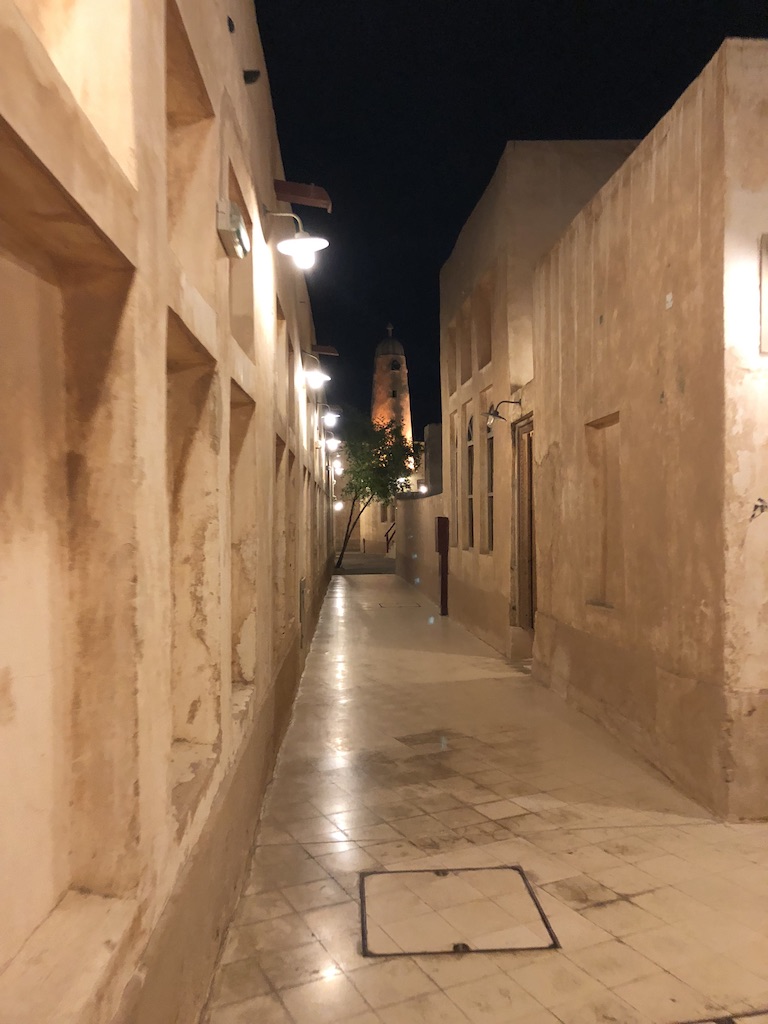
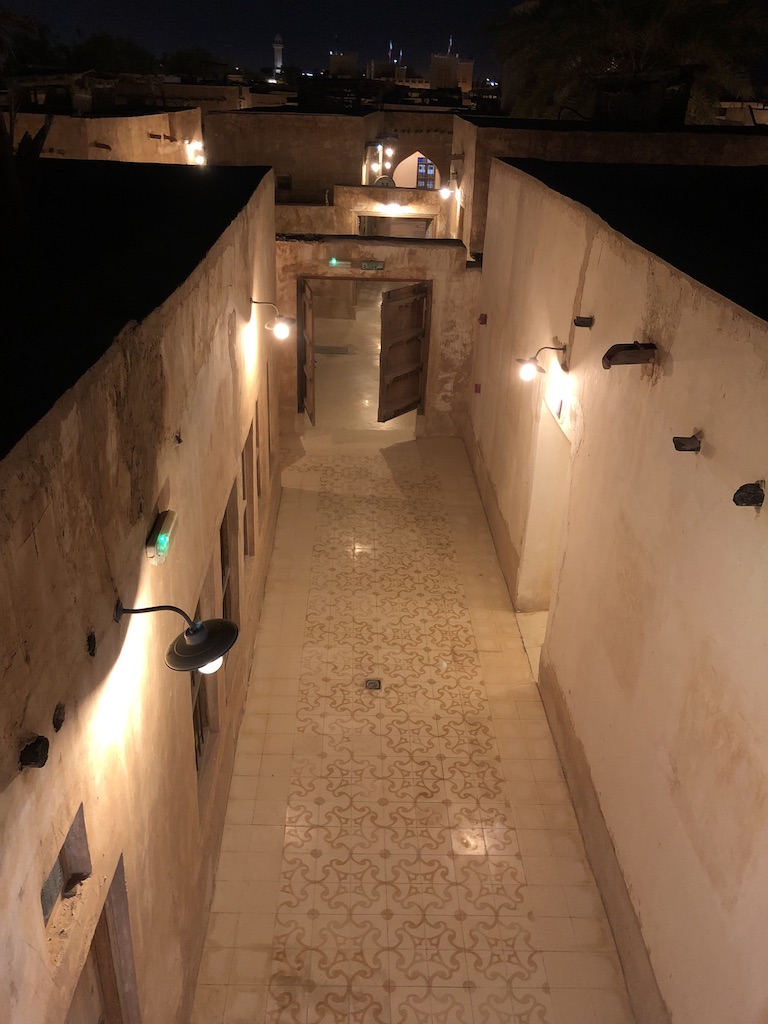
Architecture as a medium is molded by the environment. The climate shapes what is needed structurally, and the ecology provides the materials on which those structures are built upon. These materials shape the aesthetic of the buildings and the culture further refines these aesthetics. Urbanism also reflects the spiritual necessities of society. As adherents to sharia, abiding by a set of rules and laws prescribed from the Quran and hadith, the built environment had to facilitate these spiritual needs. As a result, the Arab-Islamic urban is characterized by a large central Friday mosque (jami’), and its winding and bustling marketplaces, (souq or bazaar). Open spaces were limited, reserved for private residences, multi-family homes often had a central courtyard for open space. Depending on the climatic conditions of the sub-region, they would vary in size to give more shading or allow for greater ventilation. The orientation of the streets provides a greater sense of privacy for women, with certain access points to houses only accessible to families of a certain neighborhood. This shows that a great deal of thought and care went into procuring urban spaces in the Islamic world. It lacks any sense of chaos that ‘organic’ growth would bring. 

Privacy is the most prominent element of Arab-Islamic urbanism and architecture. Privacy in the Islamic context “enhances autonomy and... minimizes vulnerability”. This physical space reflected this spiritual need, and because the shape of the urban fabric was involved. The primary concern of this concept was to protect the family’s visual privacy. The Islamic concept of mahram, which defines the relationship between men and women by blood ties or marriage affected where and how families socialize and interact with ‘strangers’ to the family. As a result, the jurists of the Islamic urban environment dictated certain rules that would protect the privacy of households. This included the fact that families and strangers had separate entrances, which would lead to a majlis to welcome guests or directly to the home; where windows can and can’t be built; and building heights. The building of new houses and streets were highly regulated by the community collectively. The heads of the households, the sheikh, qadi, muhtasib, and imam were all highly involved in the mediation and regulation of privacy. 

While there was no ‘zoning code’ to speak of, buildings in the traditional Islamic city were highly regulated. The location of shops, the width of streets, the heights of buildings, the position of doors and windows, were all of great importance. These rules were agreed upon based on commonsense and in agreement with sharia. Regulations also changed, shifted, and evolved as the needs of the community changed and the urban fabric grew. This was an advantage that Islamic urbanism enjoyed over traditional zoning regulations, which remain static. Regulations changed on a case-by-case basis. The rules were very much malleable and based on community consensus. Governance in Islamic urbanism emphasized a bottom-up approach, which built strong ties across the community and fostered engagement amongst all participants of the city through a shared understanding of the common good. 

Hierarchy of the interpretation of Islamic jurisprudence.

Hierarchy of the interpretation of Islamic jurisprudence.

This bottom-up approach was built upon the organizational hierarchy of how sharia is interpreted. Islamic sharia is comprised of the Quran, sunna (the set of traditions and practices of the Prophet that constitute a model for Muslims to follow), qiyas (deduction of religious texts by analogical reasoning), and ijma (consensus amongst scholars). The interpretation of sharia begins at the top of the hierarchy with the ulama, religious scholars who are schooled in Islamic doctrine and jurisprudence (referred to as fiqh in the Islamic community). Next in the hierarchy are the local judges, known as the qadi. The qadi acted as a community mediator in all issues, including those related to building regulations in accordance with one of the major schools of fiqh, known as madhab. The qadi would sometimes be accompanied by a mufti in mediation efforts, who acted as a juror. The former has the authoritative power to apply and enforce the established rules while the latter provides information on the juridical-moral status of an act is. Finally, the muhtasib would act as a district supervisor to promote good and forbid evil and maintain that public business was conducted in accordance with Islamic jurisprudence. The muhtasib oversaw the supervision of markets, suqs, and bazaars

While the Islamic city certainly lacked the European model of zoning, its building regulations were incredibly dynamic and facilitated an evolving set of rules and guidelines that could be adjusted in accordance with the need of the community and the urban form. The community and its stakeholders adjusted regulations on a case-by-case basis regularly. Today’s zoning code in cities across the world limits the ability that communities and decision-makers have in changing regulations in accordance with the needs of the community. Scaling back to the geographic focus of this blog, relating to the Khaleej and the Arabian Peninsula, where our zoning code and urban design mimic that of the West, is there any place for traditional bottom-up approaches to urban governance in the modern urban fabric? Is it possible for our building regulations to become dynamic, where rules can be reevaluated on a case-by-case basis in today’s urban landscapes? I await your comments and engagements!

The Role of Vernacular Architecture & Urbanism in Mitigating Heat

Vernacular architecture is often appreciated for the historic aesthetic value that it presents. Preservationists and activists argue on the importance of preserving historic structure from a cultural angle: its unique character, the story that it tells, the memories people associate with a particular building. States and institutions may feel inclined to preserve such structure, to instill a national identity. To frame the nationalist state as an idea and concept much older than it is. Preservation vernacular architecture could also be argued for in economic terms. The Qatari state has begun heavily investing in heritage tourism as an alternate source of revenue. Yet, it is not often that preservation is argued for under an environmental lens.

We view the humanmade, the cultural, as something that is inherently opposed to the natural: but should that be the case? We understand and perceive the urban and urban spaces as something that is not natural. If anything, urban environments are seen as antithetical to the environment. Nature was seen as something to be conquered by humans. Nature was scary. It's home to beasts and fauna that could potentially be hazardous and poisonous. Moreover, nature was something to be exploited. It was through the exploitation of natural resources that man was able to build and create robust economies. This point draws an essential question to our understanding of urban spaces and where they stand in relation to the natural environment and requires a fundamental change in that understanding.

0v26v8v5odj41.jpg

Dubai, UAE

Dubai has become a poster-child in the region of building with little regards to environmental context.

There is an underlying foundational issue with how urban spaces are being built and manifest themselves in the 21st century in the Persian Gulf, and the Arabian Peninsula more broadly speaking. Does it make sense for architects, engineers, and urbanists to import architectural and urban styles and building methods in a region where the very environment rejects it? Urban heat islands have been written about extensively in academia and the press, how glass towers and wide avenues of asphalt heat our cities are well documented and understood. In a region where the natural climate is already naturally hot, it is vital to mitigate the urban heat island effect as much as possible when designing our cities.

The most critical factor in giving architecture a distinct look and feel is the environment and climate. Legendary architect and scholar Hassan Fathy writes in his book Natural Energy and Vernacular Architecture that "Climate, in particular, produces certain easily observed effects on architectural forms." Whether in the deserts of New Mexico or the deserts of the Arabian Peninsula, architectural principles follow very similar patterns: smaller windows, flat roofs, mud bricks, and projecting wooden spouts to collect water. Despite the geographical distance and the lack of communication modes between the two regions, it is surprising to see how similar these indigenous styles of architecture genuinely are. 

Pueblo de Taos, New Mexico, USA

Pueblo de Taos, New Mexico, USA

Wadi Daw’an, Hadhramaut Governate, Yemen

Wadi Daw’an, Hadhramaut Governate, Yemen

The manners in which we have constructed our buildings, and by extension, our cities are mostly void of these environmental contexts. Architects and preservationists have long made an argument against the "International Style" where it is not suitable for the climate. Hassan Fathy writes on the adoption of the International Style in the tropics:

Changing a single item in a traditional building method will not ensure an improved response to the environment or even an equally satisfactory one. Change is inevitable, and new forms and materials will be used, as has been the case throughout history. Often the convenience of modern forms and materials makes their use attractive in the short term. In the eagerness to become modern, many people in the Tropics have abandoned their traditional age-old solutions to the problems presented by the local climate and instead have adopted what is commonly labeled “international architecture,” based on the use of high-technology materials such as the reinforced-concrete frame and the glass wall. But a 3 x 3-m glass wall in a building exposed to solar radiation on a warm, clear tropical day will let in approximately 2000 kilocalories per hour. To maintain the microclimate of a building thus exposed within the human comfort zone, two tons of refrigeration capacity is required. Any architect who makes a solar furnace of his building and compensates for this by installing a huge cooling machine is approaching the problem inappropriately, and we can measure the inappropriateness of his attempted solution by the excess number of kilocalories he uselessly introduces into the building. Furthermore, the vast majority of the inhabitants of the Tropics are industrially underdeveloped and cannot afford the luxury of high-technology building materials or energy-intensive systems for cooling. Although traditional architecture is always evolving and will continue to absorb new materials and design concepts, the effects of any substitute material or form should be evaluated before it is adopted. Failure to do so can only result in the loss of the very concepts that made the traditional techniques appropriate.
— Hassan Fathy, Natural Energy and Vernacular Architecture

However, it is not enough to adopt these ideas in the architectural context; we must study and understand this ideology on a grander scale. The past 50 years of urban development in the Persian Gulf and the Arabian Peninsula have primarily been motivated by the luxury, spectacle, and above-all: capital. It is not surprising that the lands that were stricken with the harshest levels of poverty and one of the worst qualities of life would want to free themselves from that life and adopt the new and modern. The tradition was a reminder of darker days. The people of the Persian Gulf embraced the new because it brought forth a better quality of life. Knowledge and expertise were outsourced to Europe, in the Khaleeji context, primarily to the British and Americans, who modeled our cities and capitals after their own. The automobile was embraced in the design, and wide avenues had to be built to accommodate more vehicles. Naturally, cities became covered in asphalt. Zoning codes mandated that buildings had to have sufficient parking spots for automobile drivers. Our new urban environment could only be described as an asphalt desert.

The impact asphalt has on the heat island effect is well documented. Dubai, one of the fastest developing cities in the region, has seen a 64.8% change in land cover and a 1.5 degree C rise in land surface temperature. Projects like the Blue Road on Abdullah Bin Jassim Street by Souq Waqif are certainly exciting in that aspect in mitigating this effect. But is this A) Enough? B) Actually helping? While the street has seen a decrease in temperature, it ignores the issue at large: Our urban design does not make sense in our environmental context.

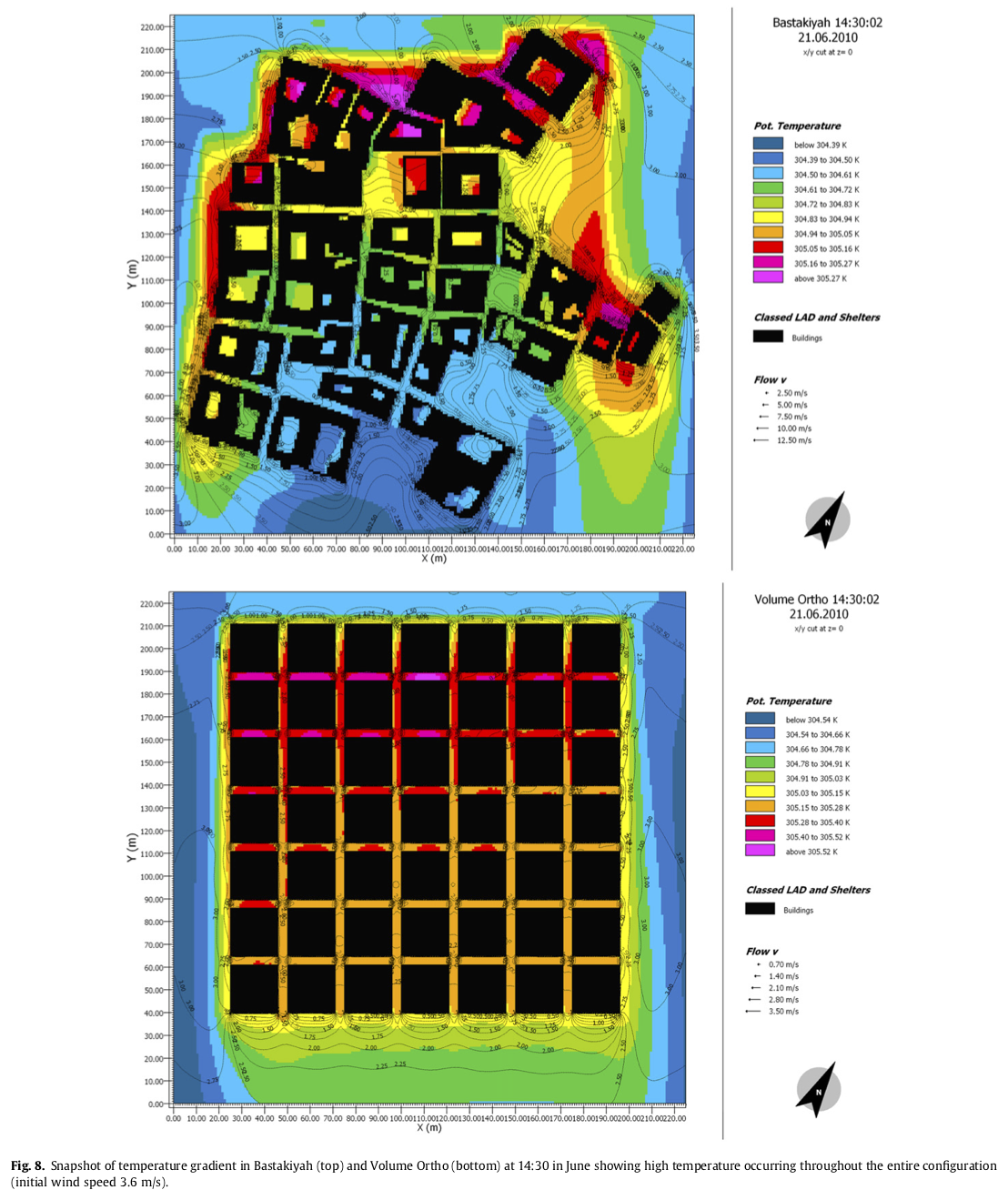
Our forefathers built verandas by mosques and commercial areas, had narrow streets that gave shade to pedestrians, and created a scale in which people felt more comfortable walking. Moreover, despite the propagation of the idea that Khaleeji Urbanism was built with little regard to proper city planning measures is a false notion. A study that compares temporal variations 'organic' and 'structured' urban configurations in Dubai shows that the "organic" historic neighborhood of Al-Bastakiyah was "cooler in summer and autumn" than the 'structured' Orthogonal and Volume Orthogonal configurations. The configuration of the streets contributed to a smoother distribution of temperature throughout the entire site by directing the wind. Street and building orientation were built in terms of wind direction. This shows that a great deal of thought went into planning the streets and sikkak in Khaleeji towns before any colonial planning practices and that the supposed 'organic' structures were far better organized and structured than the modernist principles enforced by British engineering and architectural offices. Additionally, that same study concludes that the Bastakiyah street configuration should be selected as the recommended configuration not only for its thermal behavior, but also for the other sustainability dimensions it promotes.

This type of configuration allows for higher levels of privacy and in other instances increased social interaction. It responds best to the cultural aspect of the society and at the same time to the climatic conditions of the city.
— Dana Taleb & Bassam Abu-Hijleh (2012)
Snapshot of the Al-Bastakiyah Neighborhood in Dubai, UAE

Snapshot of the Al-Bastakiyah Neighborhood in Dubai, UAE

Temperature.png

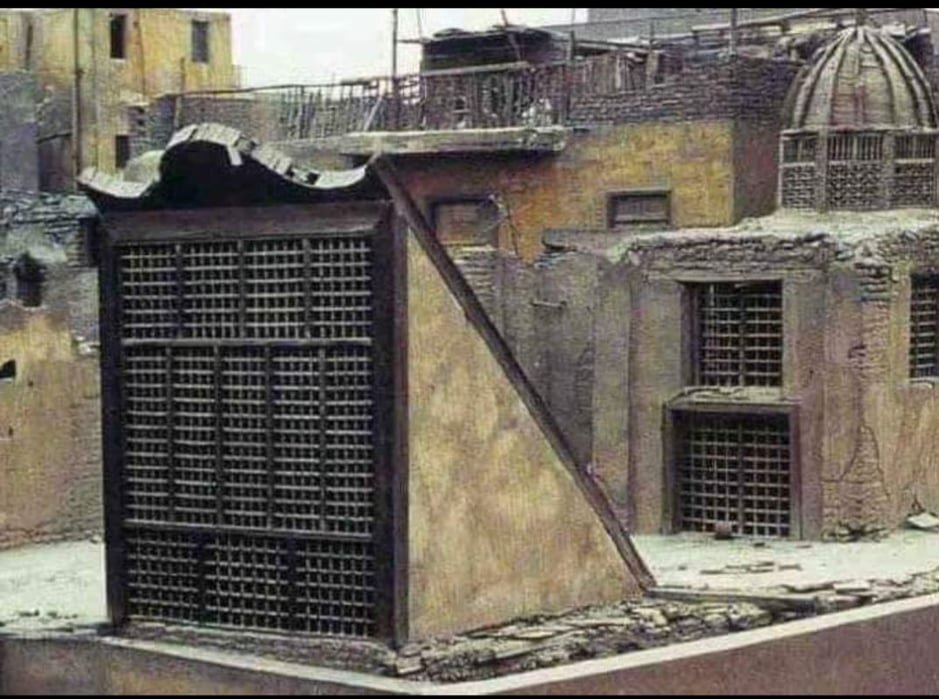
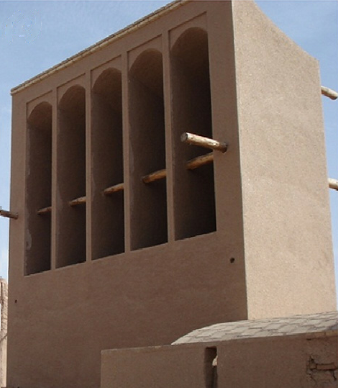
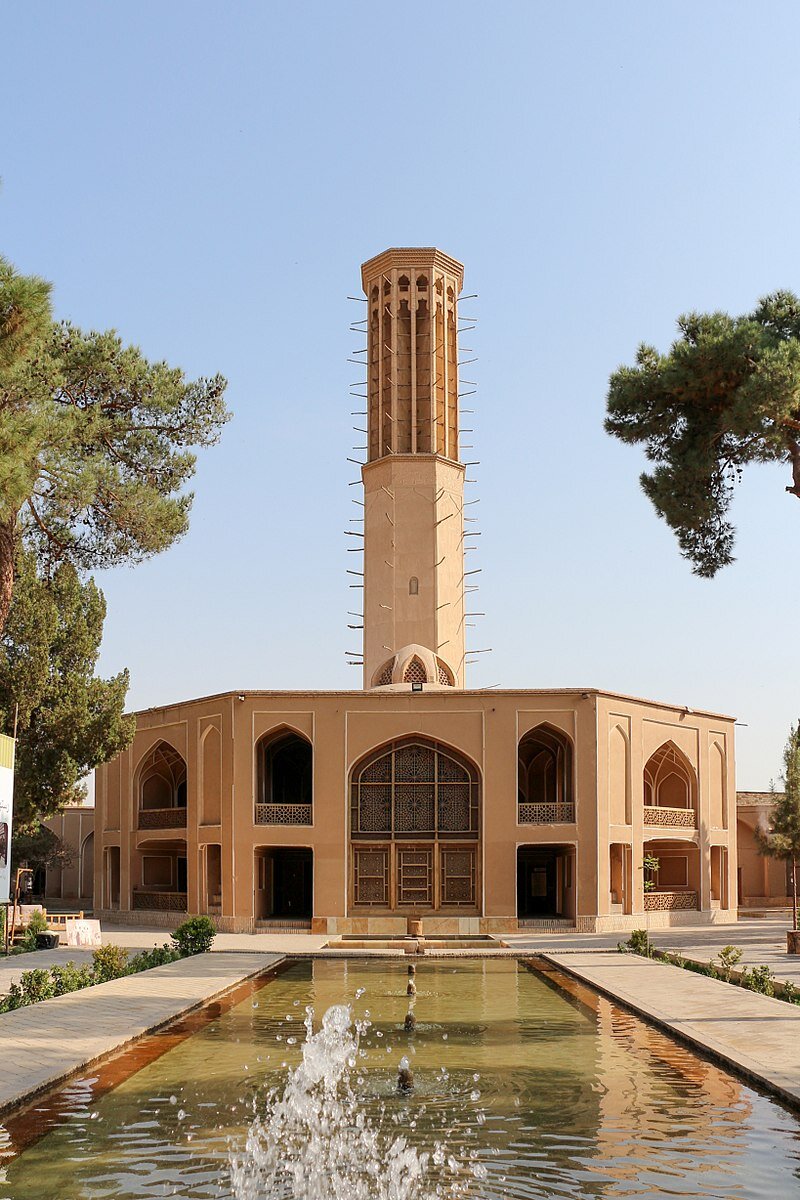
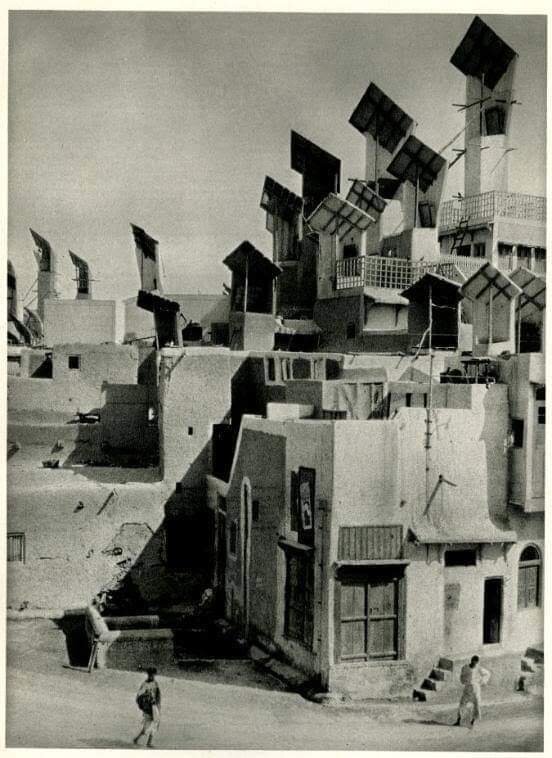
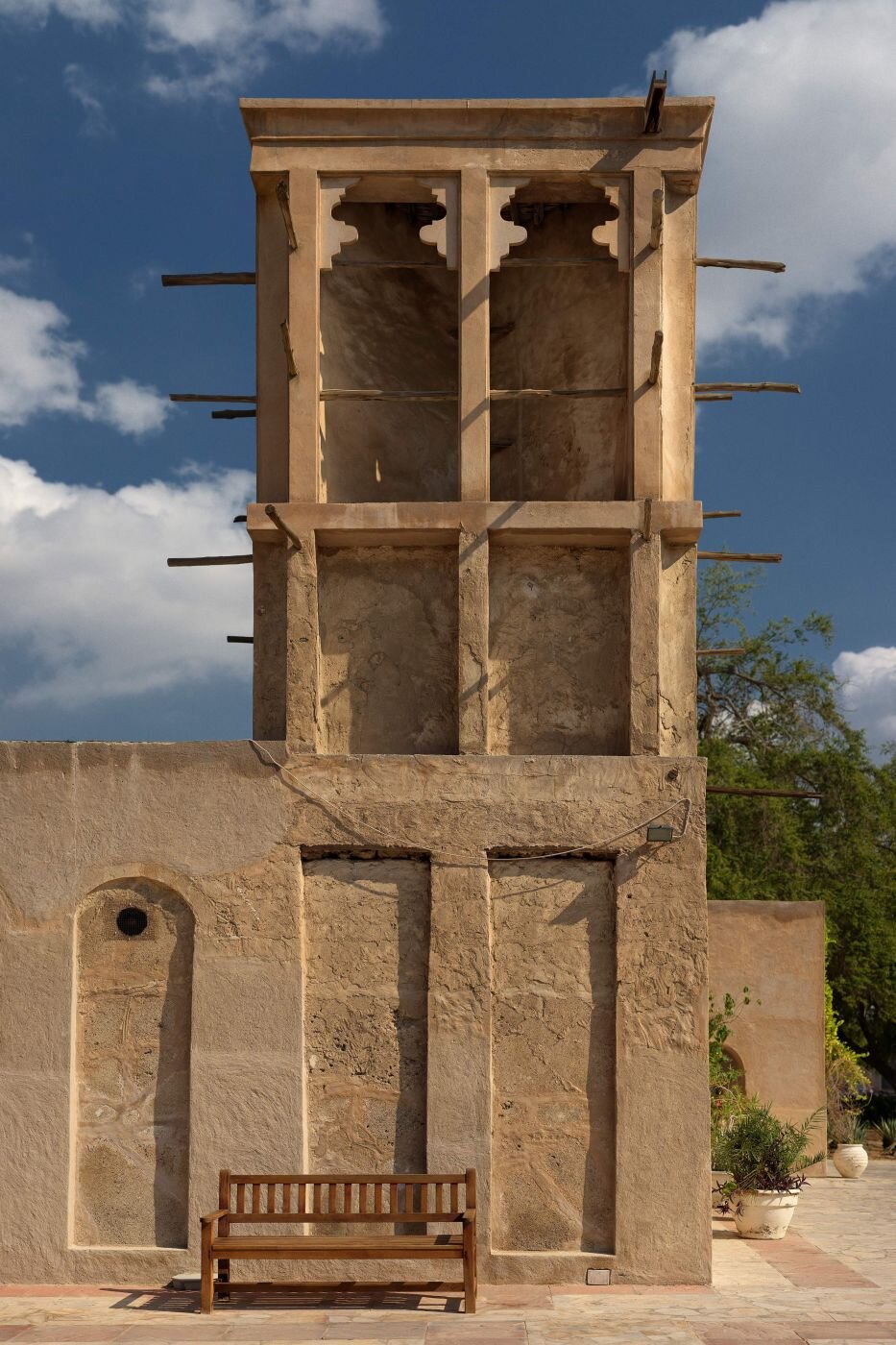
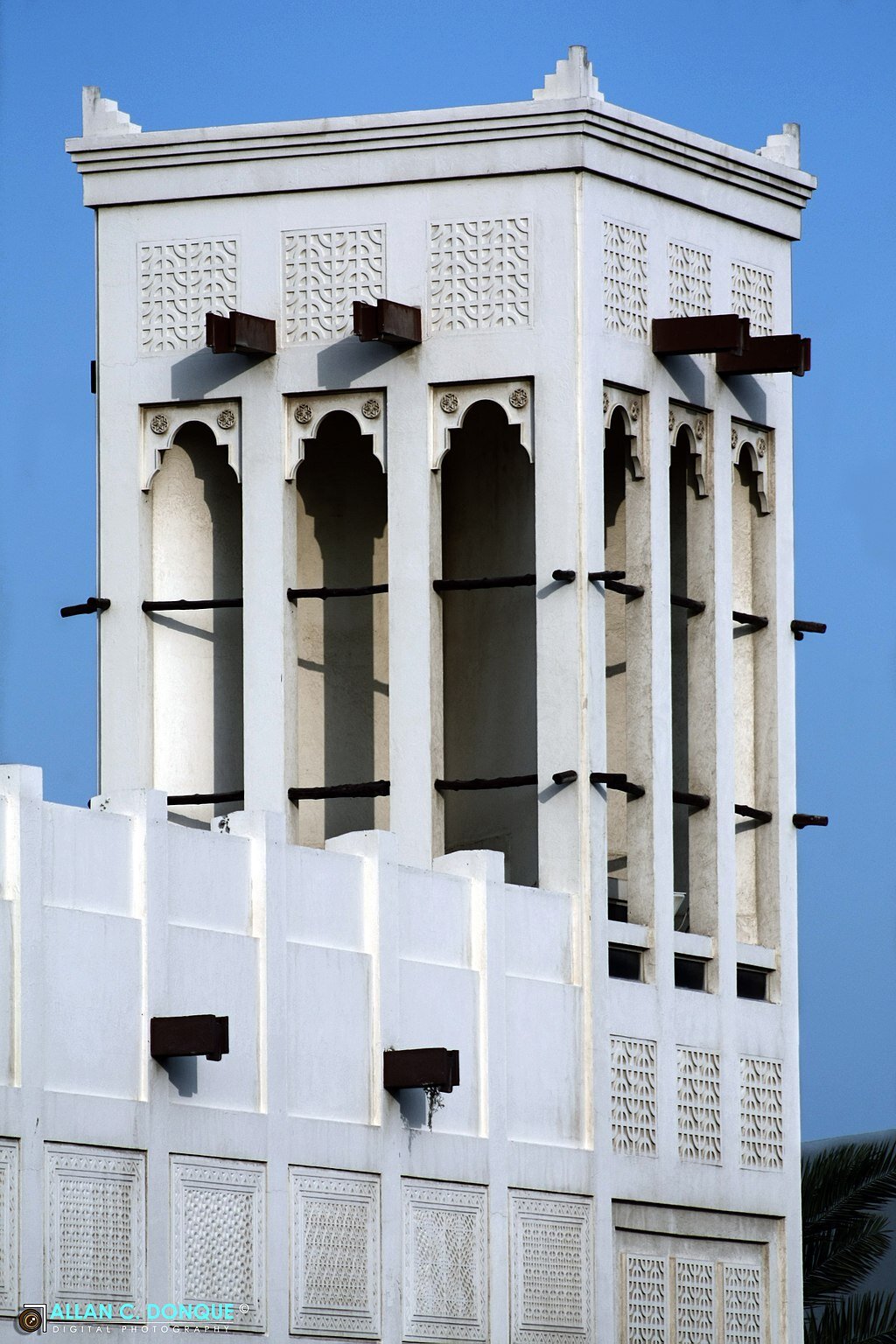
Perhaps the best example of cooling technology in the Middle Eastern context is the wind catchers or the wind towers, also called barajeel (sing. barjeel), malaqif (sing. milqaf), and badgir. Wind catchers have come in an array of styles across the Middle East and South Asia, including Egypt, the Arab States of the Persian Gulf, Iraq, Iran, Afghanistan, and Pakistan (It very common in the Sindh Province, where it was called Manghu) . A masterpiece of mechanical engineering developed thousands of years ago, architects and engineers were able to bring thermal comfort into their homes through these vertical wind channels. It is based on the principle of cold air suction from higher elevations into buildings. It acts as a natural solution developed in a pre-mechanical air conditioning era in hot desert climates. Residents of these hot climates were forced to adapt to their natural environments, and through that, they were able to innovate. The crucial underlying point here is that this technological innovation was spurred about by necessity, due to its geographic and climatic situation. Towers can vary in design, height, and depending on whether the climate of specific geography is dry or humid, the technology can vary slightly.

For thousands of years, barajeel provided natural ventilation of air that is free from pollutants and dirt due to the elevated air source. This air flows into the interior spaces of the house, such as a living room or a bedroom of sorts. Regardless of the building's orientation and its relation to the wind direction, the barajeel were still able to cool down buildings. In dryer climates, the airflow can be directed through a water source such as a fountain to increase humidity. It is astonishing today to look at these technologies, as most people today cannot fathom how to live in our environment without mechanical air conditioning, and considering how four of the ten highest countries in electricity consumption are situated in the Persian Gulf, we should consider how to reduce electricity consumption to become environmentally sustainable. Dr. Ayman Alsuliman at the University of Jordan (2014) has written on the merits of wind catchers as an environmentally friendly technology for cooling. He cites that mechanical air conditioning relies on Freon gas, the cooling agent used in most air conditioning systems, extremely harmful to the environment, while wind catchers don't. He also notes that the higher oxygen levels in the air with the guarantee of continuous ridding of CO2 and ensures higher productivity levels. The study also concludes that natural underground ventilation systems result in 60% savings in energy consumption compared to mechanical cooling. Technological innovation and mechanical cooling systems do not call for the riddance of traditional cooling methods; instead, we should embrace and innovate new technologies and build on cooling methods used in vernacular architecture. 

So, what does this mean? Where do we go from here? Should we return to building houses from mud bricks and tear down our roads? Not quite. However, when designing new neighborhoods or retrofitting current suburbs in our cities, we should perhaps embrace traditional building methods and philosophies. Why turn to European expertise and philosophies in our city building when our builders had the right idea for centuries? Earlier in this article, I called for a radical change in our understanding: but these fundamental ideas are not radical. These were ideas that are tried and true, age-old and have worked for years. This idea is not at all revolutionary, it's common-sense. If it responds best to our climactic condition and the cultural elements of society, why should we not adopt it?

This article was inspired by the brilliant Egyptian architect Hassan Fathy. I wholeheartedly recommend reading his books if you are at all interested in vernacular architecture. Both Architecture for the Poor and Natural Energy and Vernacular Architecture, although the latter maybe hard to find.

Articles Referenced:

Alsuliman, A. (2014). Wind Catchers and Sustainable Architecture in the Arab World. Journal of Civil and Environmental Research, 6, 130–136.

Taleb, D., & Abu-Hijleh, B. (2013). Urban Heat Islands: Potential effect of organic and structured urban configurations on temperature variations in Dubai, UAE. Renewable Energy, 50, 747–762. https://doi.org/10.1016/j.renene.2012.07.030

The Feasibility of Walkability in Extreme Heat

Courtesy of Kammutty VP, The Peninsula Qatar

Courtesy of Kammutty VP, The Peninsula Qatar

As a student of urban planning in Doha, the question I get asked the most by friends and family at home is: “How do we solve this traffic epidemic we have?” Doha, and by extension Qatar and its neighbors in the GCC, all suffer from the same issues in mobility perpetuated by their auto-centric design, inefficient public transportation modes, and a lack of pedestrian infrastructure. Gulf cities suffer from extreme automobile dependency, there are no alternative means of transportation or movement other than the private automobile. Walking is the forgotten mode of transportation in the Arabian Peninsula. Citizens are already paying the cost of these urban design policies and plans. Not only have the rate of car accidents and traffic increased during recent years compared to the past, but the population of the region has gotten unhealthier. In a 2012 report of the world’s heaviest nations, Kuwait was ranked as the world’s second-heaviest country, while Qatar, the UAE, and Bahrain ranked fourth, sixth and tenth place respectively. Automotive dependency has brought traffic and health consequences in the region.

Cities of the region have followed the American planning model, designed as pedestrian-unfriendly streets following a gridiron layout. The only spaces available to walk are malls, urban and national parks, and promenades. Public transportation in the region is also severely lacking, Riyadh for the longest time lacked a mass-transit system (specifically it's metro), while Dubai’s metro serves tourists primarily. The GCC is undertaking massive steps into becoming more walkable cities and have invested billions of dollars into their public transit infrastructure. The biggest hurdle for cities in the region to overcome is that of its extremely harsh hot climate, what are the current struggles facing cities of the region to become walkable, what strategies and projects are being implemented in an effort to become walkable, and how feasible are they, I.E. can people actually walk in this stupid unbearable heat?

A study published at the King Fahad University and the University of British Columbia assesses the travel conditions and accessibility of walking as well as the willingness to walk within the Doha & Dana districts of Dhahran in Saudi Arabia. The study surveyed 200 respondents on the preferred mode of transportation to carry out certain activities, such as grocery shopping, banking, going to school, etc. The investigation shows 42.5% of residents prefer walking, of which 91.5% typically walk up to 1 km daily. The remaining 8.5% walk between 1-2 km. GIS analysis shows that 77.4% of streets in the two districts have sidewalks or walking trails (82.9 km out of 107 km of street distance). Moreover, existing sidewalk conditions in Doha & Dana are poor, sidewalks are narrow, standing at less than a meter wide, often with street lamps, signage, or date and palm trees erected in the middle, further congesting the walking trails. The study also states that 24% of the sidewalks were seen to be occupied by parked vehicles of the surrounding residents. A further 21% of the sidewalks have permanent constructions including walking ramps and carports. The study found that 60% of the residents walk to their nearest facilities while around 65% walk for recreation and health benefits. Overwhelmingly, the study shows that the most cited reason for not walking is due to the weather, daily average temperatures within the region almost reach 50°C (122°F) with very high humidity levels during the summer, pedestrians surveyed within the study area predominantly walk during the winter season. 

Bahrain has taken initiative to increase activity levels and walkability through built environment measures like the national network of public recreation areas, encompassing parks, walkways, and corniches. Outdoor walking facilities are built in new residential areas and are being developed in older residential quarters. Pursuing physical activity in Bahrain is limited by weather conditions like other nations within the region suffering from extreme heat. However, citizens can be found walking outdoors in purpose-built and vacant areas around sunrise and sunset, even during the hot season. This suggests that willingness to walk during the summer season should be a subject of further investigation. Responders of the previous study showed that weather was the biggest concern, but the case study of Bahrain suggests that given the proper infrastructure, citizens can make the choice to walk in that weather. While the weather is a factor in why people choose not to walk, a lack of proper infrastructure acts as a barrier that does not allow for walking. 

Courtesy of tai_mab, Flickr.com.

Courtesy of tai_mab, Flickr.com.

An article published by Qatar University in the Case Studies on Transport Policy compares pedestrian behavior during the summer and winter seasons in the Al-Sadd district of Doha. Al-Sadd is one of Doha’s most popular and livable neighborhoods, it's also known for its mixed land uses and high density. Overall, almost double the people were observed walking during the winter season versus the summer season. It is worth noting, however, that the same number of pedestrians were observed during the weekend and weekdays during the summer season, while during the winter more people walked during the weekday. Observations in the study cite that more pedestrians were recorded holding bags during the winter season, showing that small trips for shopping on foot are more favorable during the winter. A separate study from Qatar University looks at the Al-Markhiya district in Doha. Al-Markhiya offered a great deal of potential to be a self-sustaining neighborhood in Doha, with commercial frontage on Khalifa Street. Khalifa Street connects the C-Ring and D-Ring roads, and congestion issues are quite prominent on this road as commuters use this arterial road to travel from Al-Dafna to Education City. However, due to a lack of land use management and sidewalk design, this community did not realize its potential. The streets of the district are designed for the automobile, and not for pedestrians. The scale is inappropriate for pedestrians, and there is a lack of shading and street furniture discourages walking as a mode of transport. 

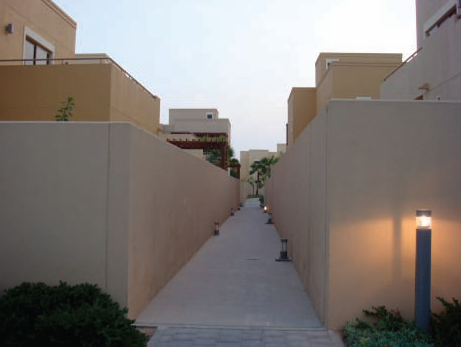
Abu Dhabi, like Riyadh, Baghdad, and Islamabad, feature large wide arterial roads connecting in a grid pattern to define a superblock. These superblocks were to be evenly spaced creating rectangular blocks of 900 by 600 meters. Each superblock was designed to be easily navigated through direct routes, and each would function as largely independent communities with facilities and services such as schools, mosques, and small commercial developments where you could fulfill your daily necessities. Fast non-local traffic was kept on arterial roads that defined the superblock, whereas inner roads were calm to ensure a safe and protected environment for pedesterians and slower local automobiles. While Abu Dhabi largely erased any trace of its historical organic settlement pattern for the superblock system, it adopted the system of sikkak (sing. sikka). Sikkak are a system of narrow alleyways connecting the main road or city center to the surrounding residential clusters, they are very common in Arab cities throughout history and today are most prominent in historic cores of Arab cities. In Abu Dhabi, sikkak work as pass-through spaces, connecting secluded spaces of an area. A study published by Masdar Institute shows that this system of sikkak contributes tremendously to the efficiency and directness of routes, encouraging walkability within these superblocks. 

Figure on the left showing the components of the superblock. Figure on the right showing the aggregation of superblocks forming a large district/neighborhood. Courtesy of M. Scoppa et al.

Figure on the left showing the components of the superblock. Figure on the right showing the aggregation of superblocks forming a large district/neighborhood. Courtesy of M. Scoppa et al.

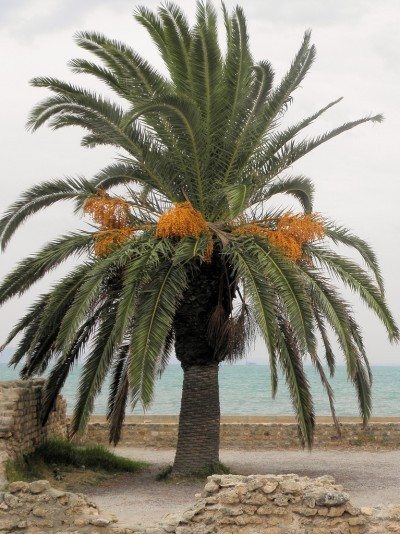
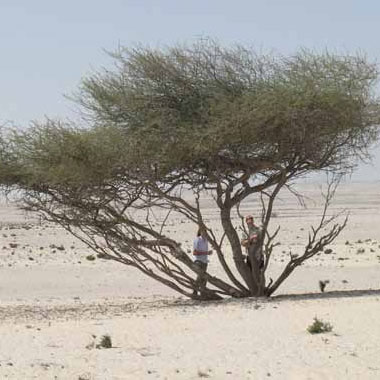
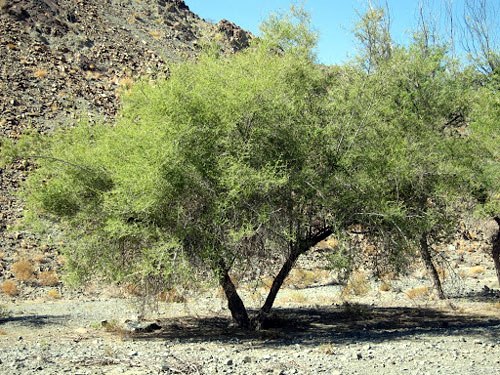
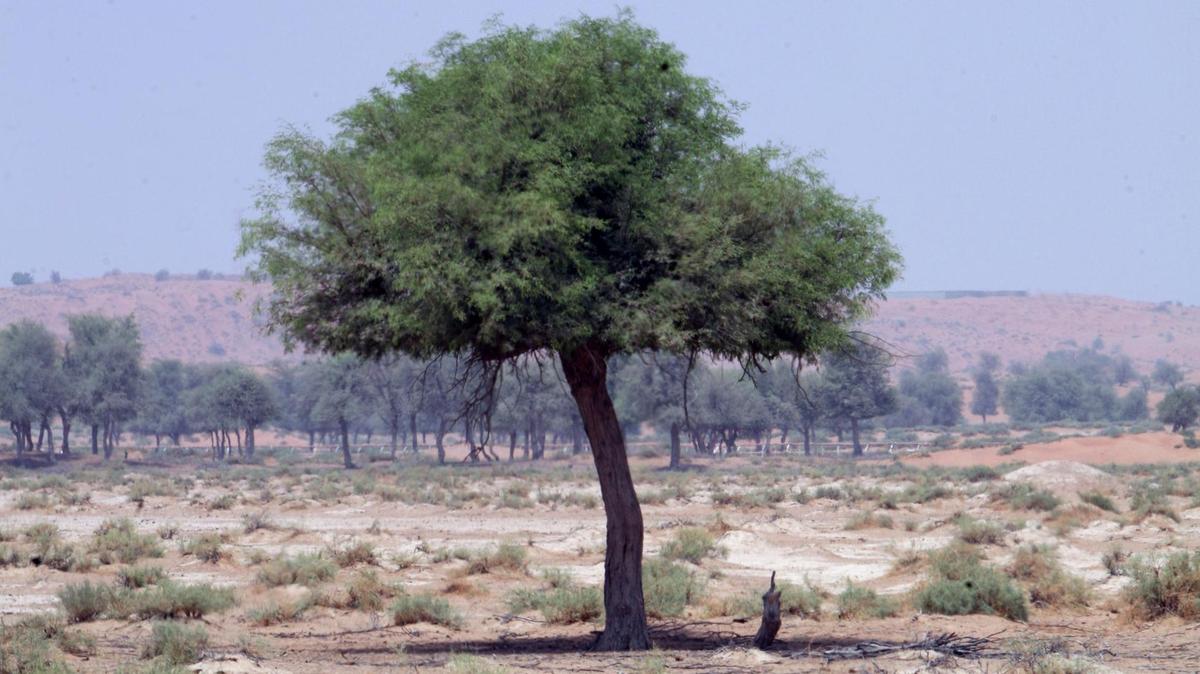
Additionally, using clever street orientation relative to the sun path, sikkak and streets can be used to create a pedestrian microclimate that would provide thermal comfort. Sikkak were designed with walls in mind to provide shade to pedestrians. Streets with a high aspect ratio (building height/street width), similar to older Arab city centers, provide a more comfortable microclimate. A study looking at thermal comfort and walkability in the Mega Kuningan Superblock in Jakarta concluded that in a hot-humid environment it is imperative that architects and city planners provide shade either from surrounding buildings or through trees. While the desert climate may discourage gardening and planting trees for shading, trees native to the Arabian Peninsula such as Samr; Sidr; Ghaf; Sind (Gum Arabic tree); Date Palms; and many more. These trees offer shade while still being able to live and prosper in the harsh desert climate. 

Yes, the Arabian Peninsula is hot, unbearably hot, so hot that at times I question whether or not civilization belongs in this part of the world, but the fact of the matter is: people have lived in these areas for centuries under these difficult weather conditions. People of the peninsula relied on their feet to get around their cities and townships. Cities were dense, sikkak provided shading and additional spaces for walking, marketplaces provided shade for customers and passersby. People built malaqif (sing. Milqaf, windtowers) to cool their houses and mosques. Today, with science and technological advancements, using proper street orientation, a system of sikkak, and providing shading with trees native to the region, it is possible to repopulate our cities with pedestrians despite the heat. While the heat and weather certainly make walking less comfortable and less of an appealing option to navigate the city, the lack of infrastructure and pedestrian-oriented design bars people from walking in the city. Municipalities within the region need focus on planning at a microscale, focusing on small districts and neighborhoods, ensuring the scale of planning is that of the pedestrian such that a safe and comfortable environment can be ensured. The region is suffering from a health crisis. Obesity rates are at the highest they have historically been, cardiovascular diseases are on the rise, all of which is further stimulated by the unhealthy automobile-dependent lifestyle that the Khaleeji urban form has perpetuated. The world is suffering from an environmental crisis, countries of the GCC top the world’s lists in carbon footprint per capita, of which transportation by private automobile is one of its biggest contributors. Walking, along with public transit, should be as effective, if not more effective than the automobile if we want to make it a more competitive and attractive alternative option for transportation. 

On a final note, it’s really only unbearably hot between May and September, while the weather is surprisingly nice for the rest of the year.

Additional Reading:

Harb, D F. “Walk-ability Potential in The Built Environment of Doha City,” n.d., 15.

Kamel, Mohamed Atef Elhamy. “Encouraging Walkability in GCC Cities: Smart Urban Solutions.” Smart and Sustainable Built Environment; Bingley 2, no. 3 (2013): 288–310. https://doi.org/10.1108/SASBE-03-2013-0015.

Koerniawan, Mochamad Donny, and Weijun Gao. “Thermal Comfort and Walkability In Open Spaces of Mega Kuningan Superblock in Jakarta.” In ResearchGate, Vol. 3. Venice, Italy, 2014. https://doi.org/10.13140/2.1.4388.5766.

Rahman, Muhammad Tauhidur, and Kh Md Nahiduzzaman. “Examining the Walking Accessibility, Willingness, and Travel Conditions of Residents in Saudi Cities.” International Journal of Environmental Research and Public Health 16, no. 4 (14 2019). https://doi.org/10.3390/ijerph16040545.

Scoppa, Martin, Khawla Bawazir, and Khaled Alawadi. “Walking the Superblocks: Street Layout Efficiency and the Sikkak System in Abu Dhabi.” Sustainable Cities and Society 38 (April 1, 2018): 359–69. https://doi.org/10.1016/j.scs.2018.01.004.

Shaaban, Khaled, and Deepti Muley. “Investigation of Weather Impacts on Pedestrian Volumes.” Transportation Research Procedia, Transport Research Arena TRA2016, 14 (January 1, 2016): 115–22. https://doi.org/10.1016/j.trpro.2016.05.047.

Shaaban, Khaled, Deepti Muley, and Dina Elnashar. “Evaluating the Effect of Seasonal Variations on Walking Behaviour in a Hot Weather Country Using Logistic Regression.” International Journal of Urban Sciences 22, no. 3 (July 3, 2018): 382–91. https://doi.org/10.1080/12265934.2017.1403363.

Silva, Joao Pinelo, and Aamal Z. Akleh. “Investigating the Relationships between the Built Environment, the Climate, Walkability and Physical Activity in the Arabian Peninsula: The Case of Bahrain.” Edited by Silvio Caputo. Cogent Social Sciences 4, no. 1 (January 1, 2018): 1502907. https://doi.org/10.1080/23311886.2018.1502907.

Evaluating Urban Heritage In Doha

Historic urban cores are the backbone of a city’s cultural identity. London; Rome; Istanbul; and Tokyo are all cities that have existed for centuries, and are places that have captured the eyes and hearts of the world. These cities all share something in the fact that they have a defined cultural identity that survived through the preservation and maintenance of the socio-cultural, environmental and economic characteristics of their built heritage. The preservation of built heritage represents a collection of ‘local memories’ that allows citizens to interact, share, and experience urban history as the city lives and breathes. In an age where cities all over the world compete to attract global markets, cultural heritage acts as a magnet for tourists and investors. It is no surprise then that there is a great deal of interest for cities that seek to penetrate the global stage such as Doha, to market themselves not only as new and cutting edge but as centers of culture and history.

Souq Waqif circa 1967. Taken from Anne Elliot’s Flickr page.

Souq Waqif circa 1967. Taken from Anne Elliot’s Flickr page.

Jane Jacobs writes extensively in The Death and Life of Great American Cities on preservation issues and the need for old buildings: “Cities need old buildings so badly it is probably impossible for vigorous streets and districts to grow without them. By old buildings I mean not museum-piece old buildings, not old buildings in an excellent and expensive state of rehabilitation–although these make fine ingredients–but also a good lot of plain, ordinary, low-value old buildings, including some rundown old buildings”.

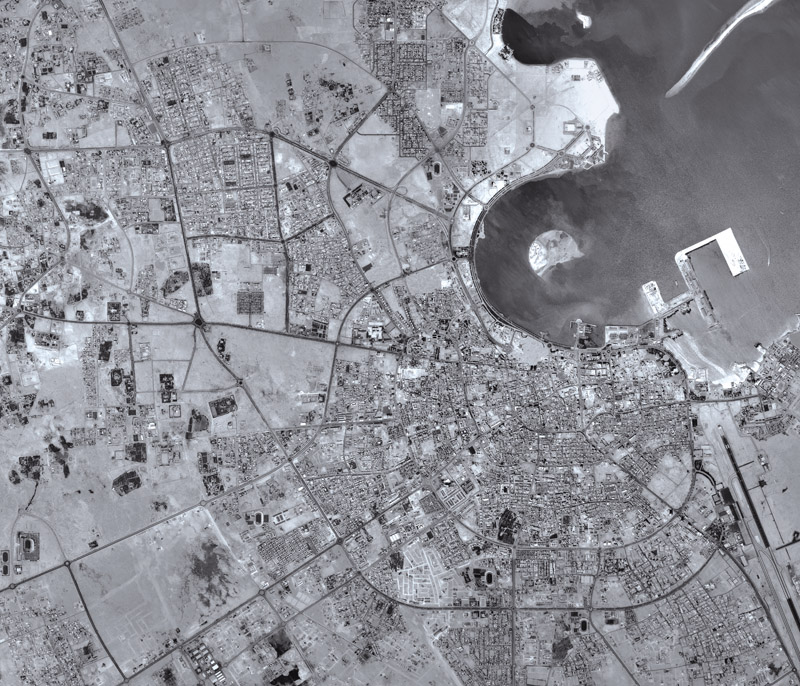
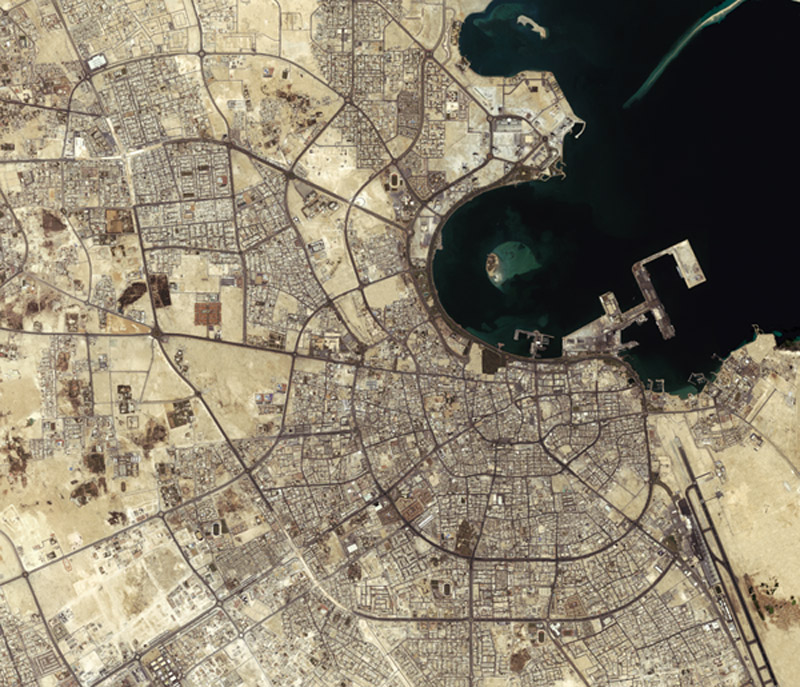
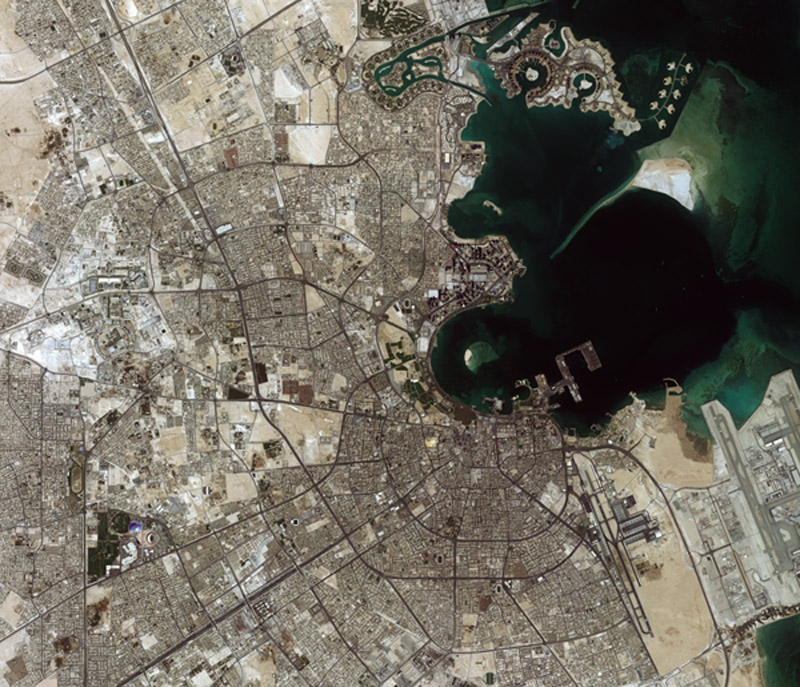
The Gulf states present extremely complicated and interesting issues in planning and governance that are entirely exclusive to the region, largely due to the massive influx of wealth from oil revenues in the 70s. The advent of modernization from oil demanded a substantial amount of development, and it had to happen fast. Our idea and preconceptions of Gulf cities as ‘skyscrappers sprouting out of the harsh, hot deserts’ have emerged out of this demand to develop, yet this statement disregards the heritage, culture, and history of its inhabitants and its people. The claim that places like the Gulf states, including Qatar, as having no heritage is reductionist. I believe that this claim stems from the lack of architectural conservation practices in Doha over the past 50 years. In this article, I attempt to deconstruct the claim of Doha as a place that lacks heritage through the context of architectural preservation and highlight current and old conservation attempts in the city.

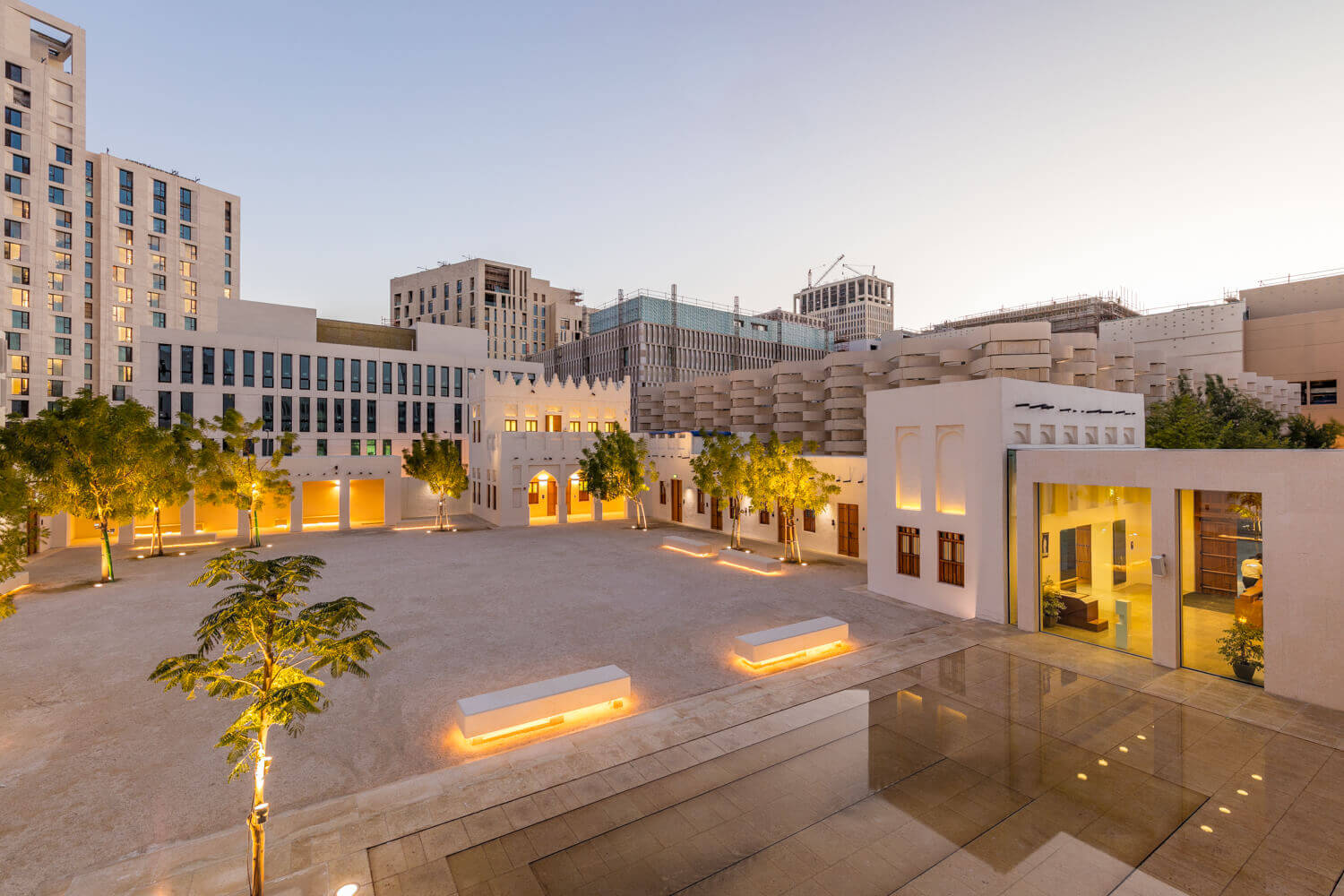
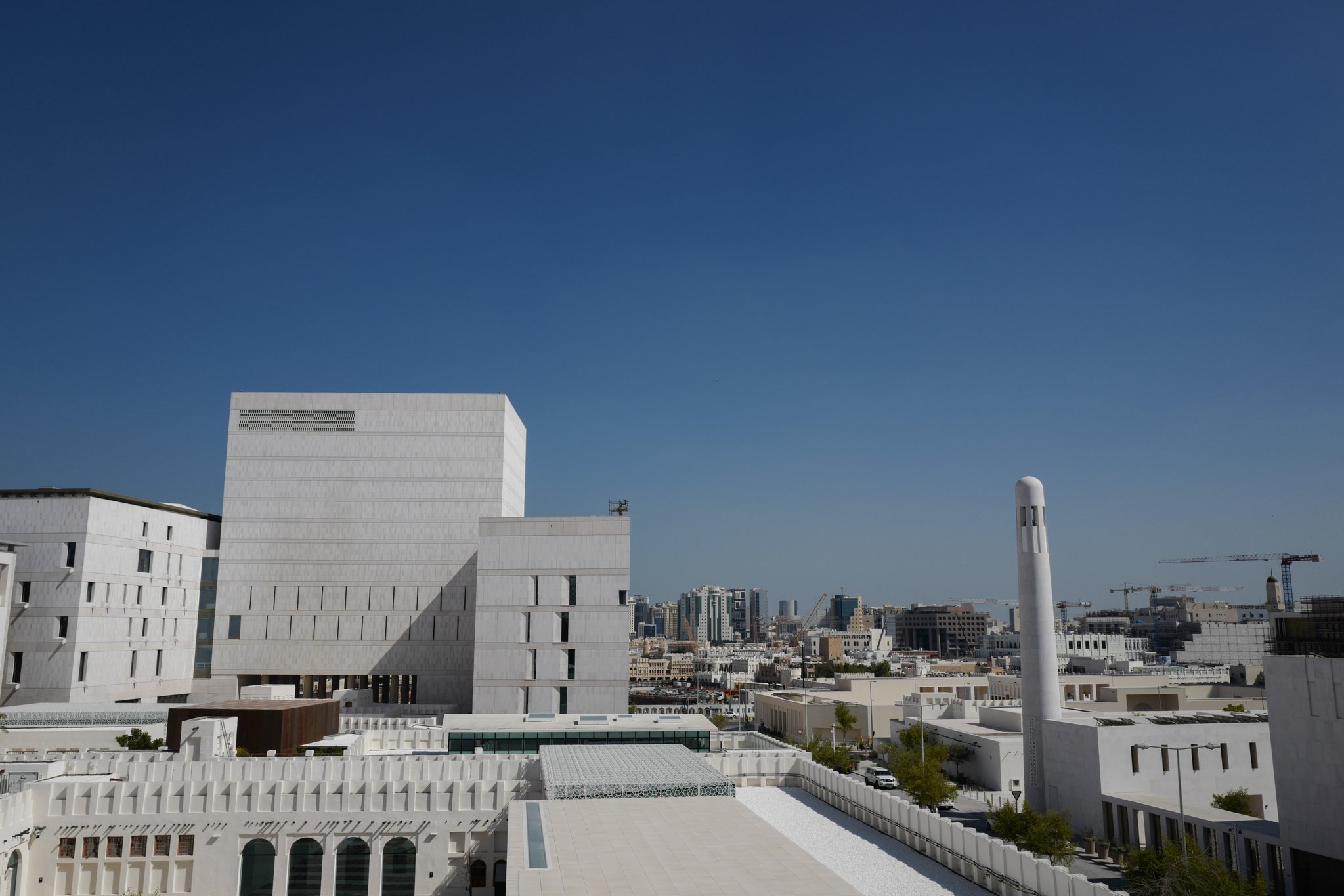
Today in Doha, there is a severe lack of authentic historic districts and buildings. The urban form of Doha, much like other Khaleeji cities, is sleek, modern, and futuristic. The administrative heart of Doha, West Bay, is dominated by cutting edge shiny skyscrapers. Commercial development in downtown Doha, either destroyed, demolished or left its old districts to rot by the forces of urban decay. Change and progress have always been used as justification for the demolition of old districts in Doha, revenues from oil and an increasing population size demanded rapid development. The population growth required a quick response from the government to establish Doha’s first masterplan in 1972 that would redevelop Doha’s traditional low-rise residential quarters to high-density commercial and office buildings. This action acted as a means of redistributing oil wealth through the financial transaction of buying old residential quarters by the government from citizens. This encouraged the local population to move from old Doha to its suburbs. Today only a few districts and buildings survive in downtown Doha, and Doha’s supposedly ‘aggressive preservation policies and projects’ focus on “re-imaginings of indigenous architectural styles” and inventing their own new individual and distinct tangible architectural identity through urban renewal projects such as Msheireb Downtown Doha.

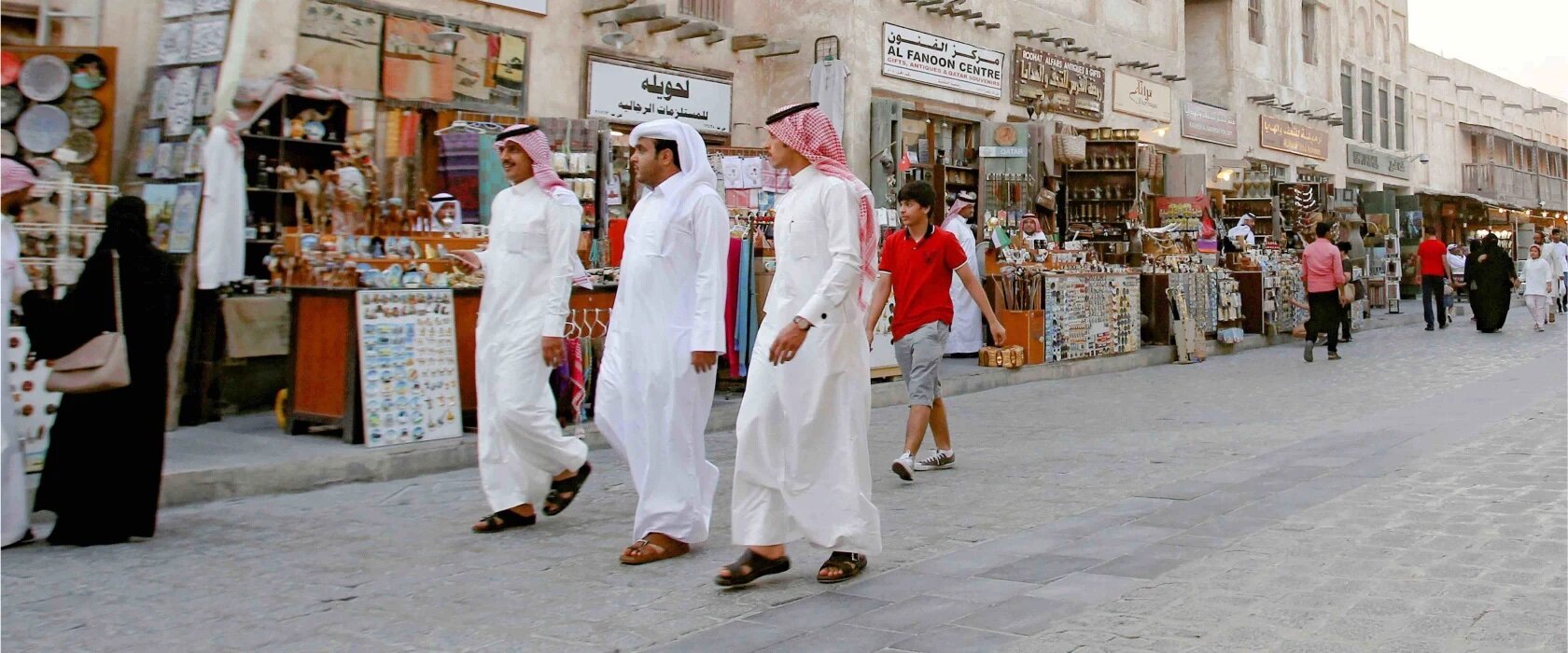
The Souq Waqif restoration project and the Msheireb Downtown Doha project both market themselves as projects that save endangered buildings. Ironically, Souq Waqif’s restoration in 2006, had buildings constructed after 1950 demolished, while older buildings were preserved. Msheireb Downtown Doha preserves its historic district and buildings and reappropriates it into museums that show off the history of the state, and the city itself and in its goal of reviving the old commercial district while introducing “a new architectural language that is modern, yet inspired by traditional Qatari heritage and architecture”, it demolished much of the old district with only four palaces and courtyards surviving. The old buildings of Msheireb Downtown Doha and Souq Waqif are the museum-piece old buildings that Jane Jacobs seemingly talked about.  Conservation attempts in Doha neglect ‘normal’ old buildings and districts.

So what can be done about this in Doha? Djamel Boussaa has an article in the Journal of Architectural Conservation that details recommended actions to be taken for Doha’s Al-Asmakh historic district:

  • Stop demolition of buildings in Al Asmakh;

  • Document and survey the remaining houses in Al Asmakh;

  • Take a bottom-up rather than a top-down approach in deciding about the future of Al Asmakh;

  • Start restoration work one house at a time to avoid massive displacement of the workers;

  • Once the rehabilitation work is completed, priority should be given to the original owners to come back; in the case that they refuse, the houses can be made available for rent to expatriates who will be able to look after them;

  • Limit accessibility to the area by car and encourage pedestrianized streets;

  • Create physical links through bridges or tunnels with Souk Waqif and Msheireb;

  • Rehabilitate the area for mixed-use activities, such as cultural, educational and administrative business in addition to the main residential activity of the area.

The Qatar National Development Framework (QNDF) extensively discusses issues of historic preservation and creating townships, particularly maintaining Al-Wakra as a historic town, and focusing in on redeveloping commercial downtown Doha into a cultural and historic site. The plan also calls for immediate action on identifying and protecting historic mosques through registering them as heritage buildings by the Qatar Museum Authority and the Ministry of Endowments and Islamic Affairs. Moreover, the QNDF also acknowledges the deterioration and the authenticity of historic sites within Doha’s downtown: “Rapid demolition and deterioration of historic buildings and sites and an over-reliance on replica buildings are depriving areas and communities of their genuine historical and cultural value”.

The QNDF also calls for immediate policy actions, including establishing conservation areas to protect traditional villages, forts, and other historic buildings. It states that Zones 4 and 5 (Al-Najada, Al Asmakh, and Msheireb) of Downtown Doha, will be considered for priority designations. The policy action also states that applications for development within Conservation Areas will need to include developer commitments to the retrofitting or reuse of listed buildings that preserve their historic or cultural character and materials. The plan also calls for the implementation and preparation of a National Heritage Strategy and a Cultural Master Plan which would: “identifies, protects and allows for controlled redevelopment of nationally important archaeological, cultural and historic buildings, sites and contextual areas”.

Demolition of an old building in Al Asmakh, taken from Djamel Boussa’s article.

Demolition of an old building in Al Asmakh, taken from Djamel Boussa’s article.

It is important to note that while the bulk of Doha’s remaining historic buildings are located within Zones 4 and 5, particularly in Al Najada and Al Asmakh, the national development framework and its subsequent National Heritage Strategy and a Cultural Master Plan should also include Fereej Abdulaziz in Zone 14, Old Al-Ghanim (Al-Ghanim Al-’Ateeq) in Zones 6 and 16, Umm Ghuwailina in Zone 27, Al-Hitmi in Zone 17, and Slata in Zone 18.

Urgent action needs to be taken in the preservation of Doha’s historic core. There should be a clear, defined, and transparent strategy to integrate, strengthen, and preserve Doha’s historic core in the field of the existing urban development strategy. Historic preservation has become an important issue to the local population today, and Msheireb’s revival project was met with a positive response as a result of this, however, restoration and preservation efforts should also focus not only on creating museum-like set pieces but creating living heritage quarters and preserving ‘normal’ historic buildings in their regular state. These historic quarters not only act as a collection of local memories and create a sense of cultural identity, but they provide great commercial value in the field of tourism. There exists a great amount of potential in Doha’s historic district as districts of living heritage, but as it stands, it countinues to be neglected as an urban slum.


Additional Readings:

Boussaa, Djamel (2014): Al Asmakh historic district in Doha, Qatar: from an urban slum to living heritage, Journal of Architectural Conservation, DOI: 10.1080/13556207.2014.888815

Fadli, Fodil & Alsaeed, Mahmoud. (2019): A Holistic Overview of Qatar’s (Built) Cultural Heritage; Towards an Integrated Sustainable Conservation Strategy. Sustainability. 11. 2277. 10.3390/su11082277.

Al-mulla, Mariam Ibrahim. (2017): Reconstructing Qatari Heritage: Simulacra and Simulation, Journal of Literature and Art Studies, DOI: 10.17265/2159-5836/2017.06.007

Karen Exell & Trinidad Rico. (2013): ‘There is no heritage in Qatar’: Orientalism, colonialism and other problematic histories, World Archaeology, 45:4, 670-685, DOI: 10.1080/00438243.2013.852069

Boussaa, Djamel. (2017): Urban Regeneration and the Search for Identity in Historic Cities. Sustainability. 10. DOI: 48. 10.3390/su10010048.

Lockerbie, John: The old buildings of Qatar. Catnaps.org. http://catnaps.org/islamic/islaqatold.html.

Center for GIS Qatar, Ministry of Municipality and Environment: Qatar Essence of the Past. http://gisqatar.org.qa/eop/